Simple Tricks to Make Standard Clothing Feel Custom-Made
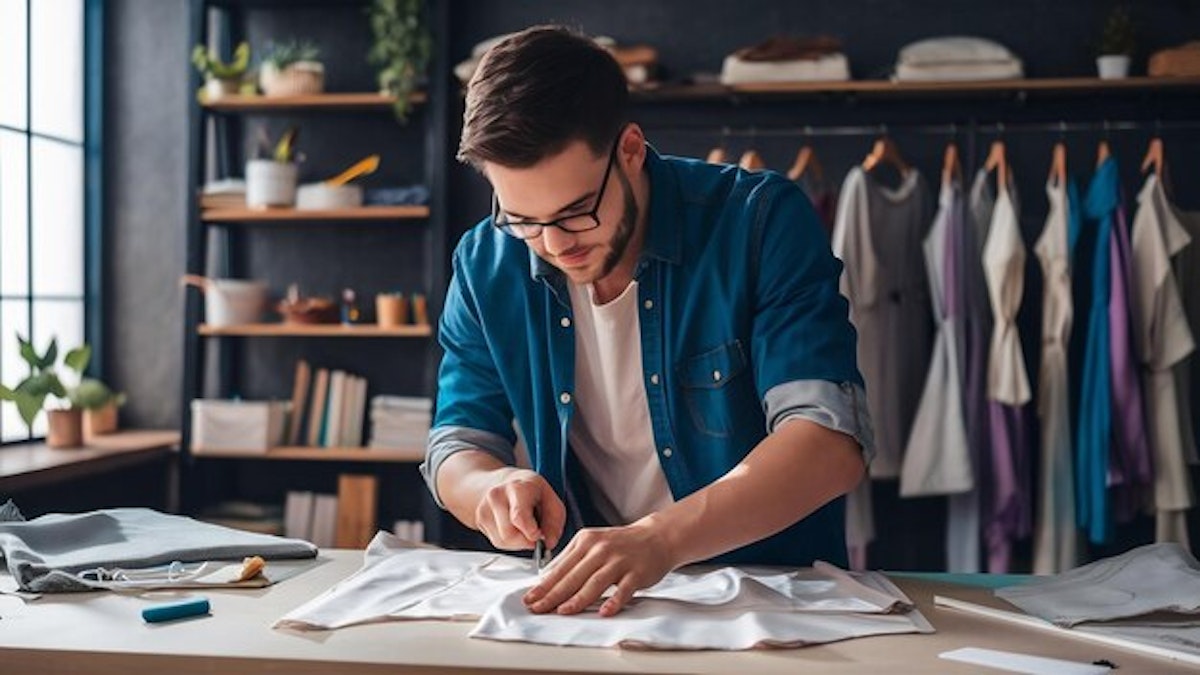
You don’t need designer labels or expensive tailoring to look sharp what you really need is a solid understanding of how to make everyday clothing look like it was made just for you. Small adjustments, styling techniques, and smart shopping habits can instantly elevate your wardrobe. With the right approach, even off-the-rack pieces can drape better, fit better, and enhance your overall appearance. Whether your goal is a cleaner silhouette, a more polished presence, or greater comfort, learning a few simple tricks can help you transform standard garments into pieces that feel perfectly customized for your body.
Mastering Simple Fit Adjustments
Focus on Shoulder Fit First
The shoulder area is the most important aspect of any top. If the shoulders don’t sit correctly, the entire garment looks sloppy even if you adjust everything else. Ideally, the shoulder seam should sit exactly at the edge of your natural shoulder, not drooping lower or pulling upward.
Why this works:
Shoulder fit defines your frame.
Creates a sharp, structured appearance.
Makes shirts, jackets, and sweaters look tailored.
Always evaluate the shoulders before purchasing it’s one of the hardest areas to fix later.
Use Small Tailoring Tweaks for Big Results
Tailoring doesn’t need to be expensive to make a difference. A few cost-effective alterations can instantly upgrade the look and feel of your clothing. Many people rely on a fit style approach supported by the fit style guide to understand adjustments that make clothing look more personalized.
Simple alterations that transform fit:
Hemming pants for the perfect length
Tapering the waist of shirts or jackets
Shortening sleeves to wrist-bone level
Narrowing pant legs for a cleaner silhouette
These changes are inexpensive yet give your clothes a surprisingly custom-made effect.
Styling Techniques That Improve Fit Instantly
Tuck or Roll to Control Proportions
Sometimes the simplest styling decisions make the biggest difference. Tucking your shirt whether fully, half, or French tuck helps control the proportions of your outfit and creates shape around the waistline. Rolling sleeves or pant hems can also refine the overall look without altering the garment permanently. Many men build Effortlessly cool outfits using inspiration from Indian men’s style, making their everyday clothing feel more intentional.
Benefits of tucking and rolling:
Defines the waist for a tailored effect
Reduces bulky or boxy silhouettes
Helps clothing follow the natural lines of your body
These techniques are quick fixes that make standard items look intentionally styled.
Choose the Right Fabrics for Better Structure
Fabric plays a huge role in how clothing fits and drapes. Even if the cut is correct, the wrong fabric can make garments look sloppy or oversized. Choosing fabrics that balance structure and flexibility helps your clothes naturally shape themselves to your body. Well-planned winter combinations are demonstrated in fashionable cold outfits, showing how materials affect overall fit.
Ideal fabrics for custom-like fit:
Cotton with slight stretch
Wool blends for shape retention
Quality denim with minimal elasticity
Structured knits for clean outlines
The right materials help everyday clothing maintain an elevated fit.
Smart Shopping Habits That Improve Fit
Know Your Key Measurements
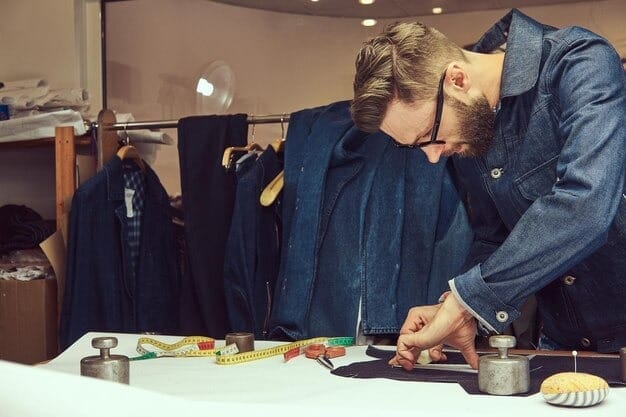
Understanding your measurements not just your size makes shopping easier and more accurate. Sizes vary widely across brands, but your specific measurements don’t. When you know your chest, shoulder width, inseam, and waist, you can choose pieces that require fewer alterations.
Most important measurements:
Shoulder width
Chest and torso width
Waist and hip measurements
Inseam and outseam lengths
Shopping based on measurement rather than size helps you find better-fitting pieces immediately.
Choose Cuts and Silhouettes That Match Your Body Shape
Not every cut works for every body type and that’s perfectly normal. Choosing silhouettes that align with your natural shape ensures your clothing looks proportionate, refined, and flattering. Many men refine their choices by exploring sharper style essentials to understand which shapes elevate their appearance.
Examples:
Straight-leg pants for athletic builds
Slim or tapered cuts for slimmer frames
Relaxed shoulders for broader chests
Cropped jackets for shorter heights
Selecting the right silhouette reduces the need for adjustments later.
Finishing Touches That Make Clothing Look Tailored
Use Accessories to Improve Structure
Accessories aren’t just decorative they help adjust fit and balance proportions. Adding the right items to your outfit can enhance shape, refine outlines, and create a more personalized look.
Helpful accessories include:
Belts to define the waist
Structured shoes to balance leg proportions
Layering pieces to improve lines (like a fitted overshirt or cardigan)
These elements work together to elevate the entire outfit.
Layer Smartly for a Refined Shape
Layering, when done correctly, adds depth and structure to your look. Instead of wearing oversized outer layers, choose pieces that complement your base fit and support your silhouette.
Smart layering practices:
Lightweight layers under structured jackets
Fitted base layers to avoid bulk
Choosing outerwear with tapered cuts
This technique creates clean lines that mimic the effect of custom tailoring.
Conclusion
Transforming everyday clothing into custom-looking pieces doesn’t require a huge budget or a professional stylist. With simple adjustments, intentional styling, smart shopping decisions, and awareness of your proportions, you can make even standard garments look refined, tailored, and perfectly suited to your body. Mastering fit is an ongoing process but with each small improvement, your outfits become sharper and more personalized. When you understand these techniques, you gain full control over your appearance, turning your wardrobe into a true expression of your style.