How to Maintain Strong Mental Health in Your Daily Routine

Maintaining strong mental health is less about dramatic transformations and more about steady, intentional choices you repeat each day. Your routine shapes your mood, focus, relationships, and resilience. When daily life gets demanding, it helps to rely on practical, evidence-informed habits that support emotional stability and mental clarity without requiring perfection. The goal is not to eliminate stress, but to build a routine that helps you recover faster, think more clearly, and stay connected to what matters.
Morning Structure Builds Emotional Stability
A consistent start to the day reduces decision fatigue and creates a sense of control, especially when work, family, or public events feel unpredictable. Aim for a morning rhythm that includes hydration, a brief moment of stillness, and a clear plan for the first hour. Even a short routine helps signal to your brain that you are safe and oriented, which can reduce anxious rumination. If mornings are hectic, keep your minimum routine simple: a glass of water, a few deep breaths, and one realistic priority written down.
Attention Boundaries Reduce Daily Mental Strain
Your mental health is influenced by what repeatedly enters your attention. Social feeds and news cycles can be useful, but constant scanning trains the brain to remain on alert. Set gentle boundaries by choosing specific times to browse updates, and avoid consuming heavy content right before bed or immediately upon waking. If you use media for relaxation, prefer content that restores you rather than intensifies comparison or worry. When you do want to stay informed, use intention rather than impulse so you can explore the latest stories without letting them dominate your emotional bandwidth.
Movement Strengthens Mood and Resilience
Physical movement is one of the most reliable tools for supporting mental health because it improves sleep quality, reduces stress arousal, and builds self-trust through follow-through. The key is to treat movement as a stabilizing appointment rather than a performance metric. Many people sustain change longer when they connect workouts to identity and well-being, not punishment, and they keep staying consistent with fitness routines even on lower-motivation days by scaling intensity instead of skipping entirely.
Micro Breaks Restore Focus and Patience
Daily stress becomes more manageable when you build short recovery pauses before you feel depleted. Micro-breaks can be as brief as standing up, stretching, stepping outside for natural light, or practicing slow breathing for one minute. These small resets reduce tension accumulation and help prevent mental fatigue from turning into irritability or shutdown. If your day is meeting-heavy or emotionally demanding, schedule brief buffers between tasks so your nervous system can transition. Over time, these become daily habits for long-term success because they protect your focus and resilience without requiring additional hours in your day.
Connection Habits Strengthen Emotional Well-being
Connection is a protective factor for mental health, but it does not require long conversations every day. A short check-in message, a shared meal, or a brief walk with someone you trust can reduce loneliness and increase your sense of belonging. Consider making connection part of your routine by pairing it with existing habits, such as calling a friend during a commute or sharing gratitude with a partner before sleep. If you are navigating conflict, prioritize clarity and calm timing, because emotionally charged discussions tend to go better after rest, food, and decompression.
Simple Reflection Improves Emotional Awareness
Just as physical hygiene prevents small issues from becoming bigger problems, emotional hygiene helps you process daily experiences before they accumulate. A short daily reflection can be enough: identify what felt heavy, what went well, and what you need next. Journaling is one option, but so is a quick voice note or a two-minute written check-in. Over time, this practice strengthens self-awareness and makes coping strategies easier to apply when stress spikes.
Evening Habits Protect Sleep Quality
Evenings are a critical time to downshift, especially if your day includes constant stimulation. A supportive evening routine typically includes lighter screens, a transition activity, and a clear cue that work is finished. Consider lowering lights, doing gentle stretching, or preparing for tomorrow to reduce morning pressure. If you enjoy staying informed at night, limit intensity and duration so you can explore the latest stories without triggering late-night overthinking. The priority is to protect sleep quality, because sleep is one of the most powerful regulators of mood and stress tolerance.
Balanced Nutrition Supports Calm Thinking
Food choices can influence mood, concentration, and irritability, particularly when meals are skipped or blood sugar swings are frequent. A mentally supportive routine includes regular meals, adequate protein, fiber-rich carbohydrates, and hydration throughout the day. Consider caffeine timing as well, since too much or too late can amplify anxiety and disrupt sleep. Rather than pursuing strict rules, focus on consistency: predictable meal timing and balanced options that keep your energy steady. Small improvements repeated daily typically outperform occasional perfect days.

Professional Support Sustains Long-Term Health
Strong daily routines are valuable, but they are not a substitute for professional care when symptoms are persistent or worsening. Consider speaking with a licensed therapist or medical professional if you experience ongoing low mood, panic symptoms, significant sleep disruption, loss of interest, or difficulty functioning at work or in relationships. Balancing therapy with habits that support physical wellness, including exercise benefits for heart health, can strengthen both emotional and physical resilience. If starting therapy feels overwhelming, begin with a single step: verify coverage, ask your primary care clinician for a referral, or use an employer assistance program if available.
Conclusion
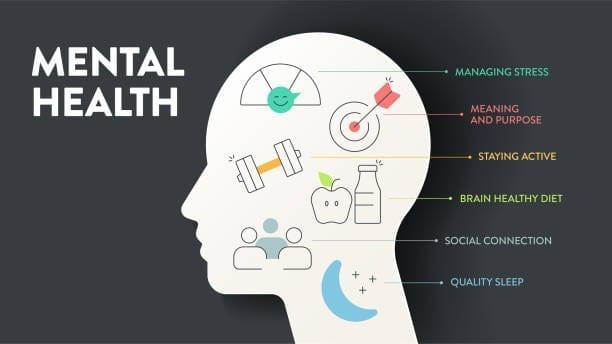
Maintaining strong mental health in your daily routine is about building a structure that supports your mind in practical ways. Predictable rhythms, attention boundaries, steady movement, balanced nourishment, micro-recovery breaks, meaningful connection, emotional reflection, and restorative evenings work together to improve resilience over time. Start small, refine what fits your life, and remember that consistency matters more than intensity. With a supportive routine in place, you create the conditions for calmer thinking, steadier mood, and a stronger capacity to meet everyday challenges with confidence.