Engaging Play Items Perfect for Indoor Fun Time
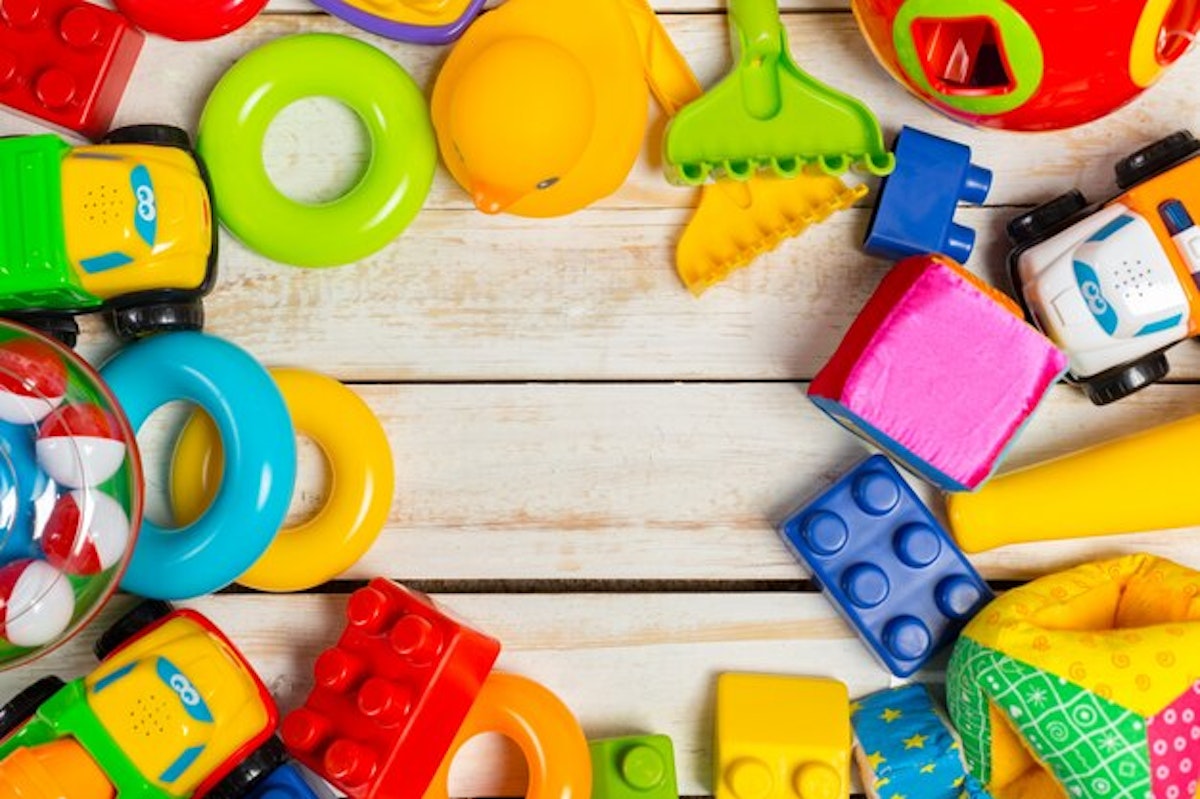
Indoor time offers a valuable chance for families to slow down and reconnect while children explore their interests in a safe environment. When weather, schedules, or limited outdoor access keep kids inside, thoughtful play experiences can transform ordinary rooms into exciting worlds. Indoor activities are not only about keeping boredom away; they support emotional comfort, curiosity, and imagination. With the right approach, living rooms, bedrooms, and study corners become places where children feel inspired to experiment, pretend, and learn through joyful moments that fit naturally into daily routines.
Why Indoor Moments Matter
Spending meaningful time indoors allows children to recharge while still being active in their own way. Calm surroundings help them focus, especially after long school hours or busy days. Indoor play can strengthen attention spans and nurture patience, as children often engage more deeply without the distractions of crowds or noise. These moments also allow parents to observe interests closely, offering guidance without pressure. Over time, indoor activities become comforting rituals that support emotional stability and confidence.
Spaces That Invite Imagination
The environment itself plays a powerful role in shaping how children interact with play options. Simple changes like clear floor space, accessible shelves, or cozy corners can encourage independent exploration. Soft lighting and organized layouts help children feel relaxed and motivated. When a space feels welcoming, imagination flows more freely. Children begin to invent stories, create characters, and build worlds using everyday objects, turning indoor settings into endless landscapes of creativity.
Hands-On Exploration at Home
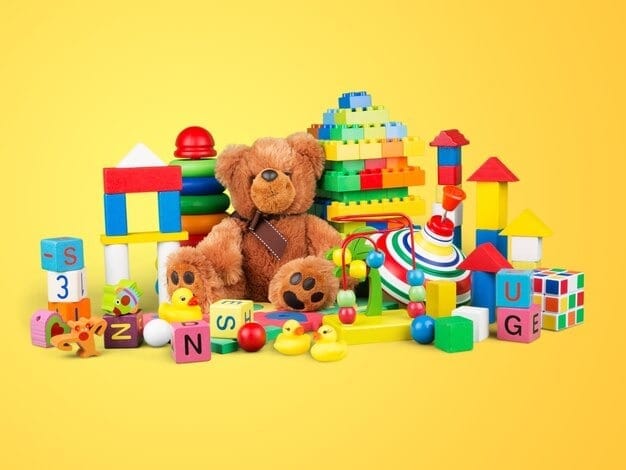
Tactile experiences are essential for young minds, and indoor play offers countless opportunities for hands-on discovery. Sorting, stacking, matching, and building activities keep small hands busy while supporting coordination. In many households, carefully chosen child play items become part of daily learning without feeling structured or forced. These experiences help children understand cause and effect, develop patience, and enjoy the satisfaction of completing small challenges, all while having fun in a familiar space.
Building Skills Through Quiet Games
Not all engaging activities need to be energetic or loud. Quiet games encourage reflection, problem-solving, and thoughtful decision-making. Puzzles, memory challenges, and pattern-based activities help sharpen focus and persistence. Within this calm setting, creative learning toys often play a role by blending imagination with gentle mental stimulation. Children learn to follow steps, recognize shapes, and explore ideas at their own pace, which supports confidence and a love for learning.
Materials That Shape Early Thinking
The textures and materials used in play experiences influence how children perceive and interact with the world. Natural finishes, smooth edges, and solid construction can create a sense of warmth and reliability. Many families appreciate how wooden learning toys quietly support sensory development while encouraging open-ended play. These materials invite children to explore weight, balance, and structure, helping them build an intuitive understanding of how things fit together.
Encouraging Independent Discovery
Indoor play is an excellent opportunity for children to develop independence. When options are easy to reach and simple to understand, kids feel empowered to make choices on their own. This autonomy builds decision-making skills and self-trust. Parents can support this process by stepping back and allowing children to experiment freely. Mistakes become learning moments, and successes feel more rewarding when achieved independently.
Balancing Fun and Development
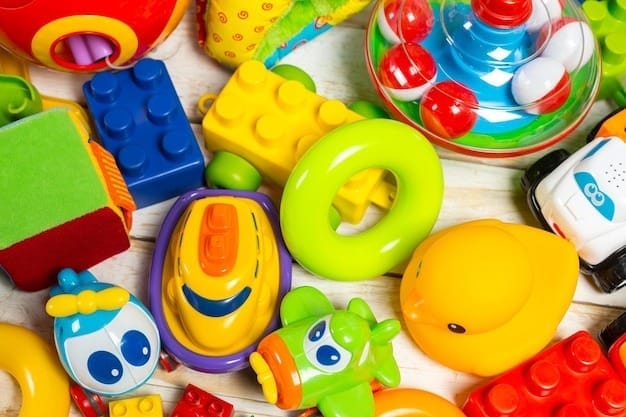
The most effective indoor play experiences strike a balance between enjoyment and growth. Activities that feel like pure fun often carry hidden benefits, supporting language, coordination, and reasoning. Many families look for educational play toys that naturally blend entertainment with skill-building, making learning feel effortless. When children are genuinely engaged, they absorb concepts without realizing it, creating positive associations with exploration and discovery.
Strengthening Bonds Through Shared Play
Indoor playtime is not only valuable for children; it also creates meaningful moments for families to connect. When parents or caregivers join in, children feel seen, heard, and supported. Shared activities open the door to conversations that might not happen during busy routines. Whether it’s building something together, solving a challenge, or pretending within an imagined story, these interactions build trust and emotional security. Children often express their thoughts more openly during play, making it an ideal time for gentle guidance and encouragement.
Participating together also allows adults to model patience, problem-solving, and positive communication. Children naturally mirror these behaviors, learning how to cooperate and manage emotions. Even simple activities can become memorable traditions when shared consistently. Laughter, teamwork, and small achievements strengthen family relationships and create a sense of belonging.
Indoor play also offers flexibility for families with different schedules. Short sessions can still be meaningful, proving that quality matters more than quantity. These moments help children associate home with warmth and joy, reinforcing emotional resilience. Over time, shared indoor activities become comforting rituals that support both development and connection, making everyday life feel more balanced and fulfilling for everyone involved.
Conclusion
Indoor fun time does not need to be complicated to be meaningful. With thoughtful choices and inviting spaces, families can create experiences that support creativity, focus, and emotional well-being. Indoor activities offer comfort, consistency, and endless possibilities for imagination to thrive. By valuing these moments, parents help children grow through play that feels natural, joyful, and deeply enriching within the walls of home.